

Strehla Keramik
Strehla Keramik is a renowned German ceramics manufacturer that was active during the mid-20th century. Founded in 1828 in the town of Strehla, located in Saxony, Germany, Strehla Keramik quickly gained recognition for its high-quality ceramic products.
Under the guidance of talented artisans and designers, Strehla Keramik became known for its innovative designs and exceptional craftsmanship. The company produced a wide range of ceramic items, including vases, bowls, figurines, and tableware, which were highly sought after by collectors and enthusiasts alike.
During the 1950s and 1960s, Strehla Keramik experienced a period of significant growth and success. The company embraced the emerging trends of the time,
Strehla Keramik is a renowned German ceramics manufacturer that was active during the mid-20th century. Founded in 1828 in the town of Strehla, located in Saxony, Germany, Strehla Keramik quickly gained recognition for its high-quality ceramic products.
Under the guidance of talented artisans and designers, Strehla Keramik became known for its innovative designs and exceptional craftsmanship. The company produced a wide range of ceramic items, including vases, bowls, figurines, and tableware, which were highly sought after by collectors and enthusiasts alike.
During the 1950s and 1960s, Strehla Keramik experienced a period of significant growth and success. The company embraced the emerging trends of the time, incorporating modernist and abstract designs into their ceramic creations. These designs often featured bold colors, geometric patterns, and organic shapes, reflecting the artistic movements of the era.
One of the key figures behind Strehla Keramik's success was the renowned ceramic artist, Ernst-Michael Fries. Fries joined the company in the 1950s and played a pivotal role in shaping its artistic direction. His innovative designs and experimental approach to ceramics helped establish Strehla Keramik as a leading force in the industry.
Throughout its history, Strehla Keramik collaborated with various designers and artists, fostering a creative environment that encouraged the exploration of new ideas and techniques. The company's commitment to artistic excellence and innovation resulted in numerous accolades and international recognition.
Sadly, despite its success, Strehla Keramik faced financial difficulties in the late 1970s, leading to its closure in 1989. However, the legacy of Strehla Keramik lives on through its significant contributions to the world of ceramics and decorative arts. Today, the company's pieces are highly sought after by collectors and can be found in museums and private collections around the world.

Strehla Keramik East German Mid-Century Dark and Lime Green Raised Pattern Glazed Ceramic Vase
$275
(USD)
QTY: 1
#063205
Width: 4"
Depth: 3.5"
Height: 7"

Strehla Keramik East German Mid-Century Spotted Multi-Tonal Brown Glazed Ceramic Vase
$225
(USD)
QTY: 1
#063197
Width: 4.5"
Depth: 4.5"
Height: 5"

Strehla Keramik East German Mid-Century Ribbed Green Zig-Zag Pattern Brown Glazed Ceramic Vase
$350
(USD)
QTY: 1
#063189
Width: 6.75"
Depth: 6.75"
Height: 7.25"

Strehla Keramik East German Mid-Century Fat Lava Pitted Beige and Green Stripe Glazed Ceramic Pot
$175
(USD)
QTY: 1
#063183
Width: 4"
Depth: 4"
Height: 3.5"

Strehla Keramik East German Mid-Century Ribbed Multi-Tonal Brown Glazed Ceramic Vase
$475
(USD)
QTY: 1
#063167
Width: 6.25"
Depth: 6"
Height: 9.25"
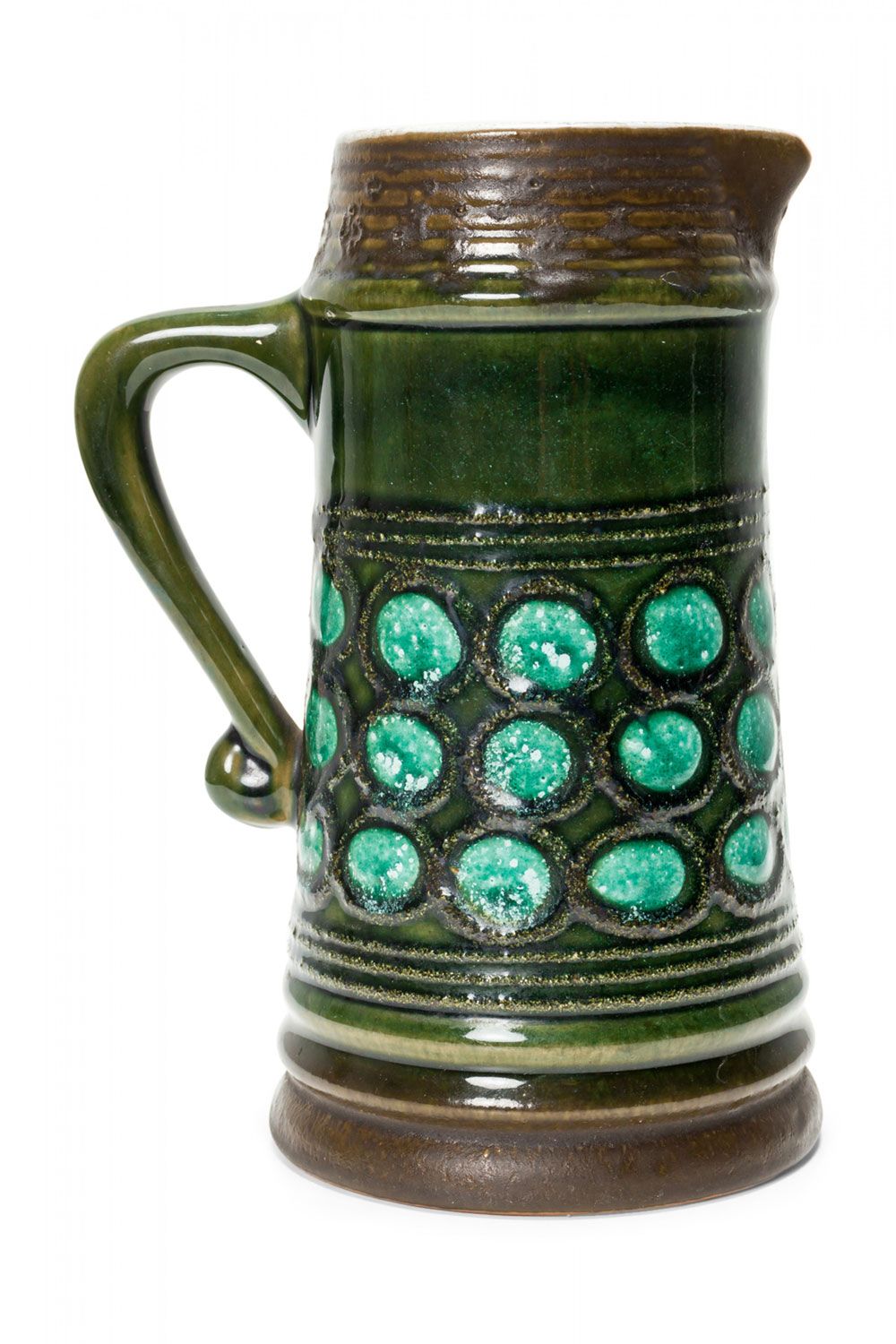
Strehla Keramik East German Mid-Century Light and Dark Green Circle Design Glazed Ceramic Pitcher
$375
(USD)
QTY: 1
#063158
Width: 6"
Depth: 4.25"
Height: 7.75"

Strehla Keramik East German Mid-Century Raised Green Design and Brown Glazed Ceramic Jug
$210
(USD)
QTY: 1
#063153
Width: 4"
Depth: 3.75"
Height: 6.25"

Strehla Keramik East German Mid-Century Tapered Cylindrical Green and Gold Glazed Ceramic Vase
$275
(USD)
QTY: 1
#063152
Width: 4.75"
Depth: 4.75"
Height: 7"

Strehla Keramik East German Mid-Century Yellow Glazed Green Circle Design Ceramic Pitcher
$275
(USD)
QTY: 1
#063150
Width: 3.75"
Depth: 3.5"
Height: 7"

Strehla Keramik East German Mid-Century Green Looping Patterned Yellow Glazed Footed Ceramic Vase
$175
(USD)
QTY: 1
#063145
Width: 3.25"
Depth: 3.25"
Height: 6"

Strehla Keramik East German Mid-Century Raised Green Zig-Zag and Line Banded Red Glazed Ceramic Vase
$150
(USD)
QTY: 1
#063139
Width: 2.25"
Depth: 2.25"
Height: 4"
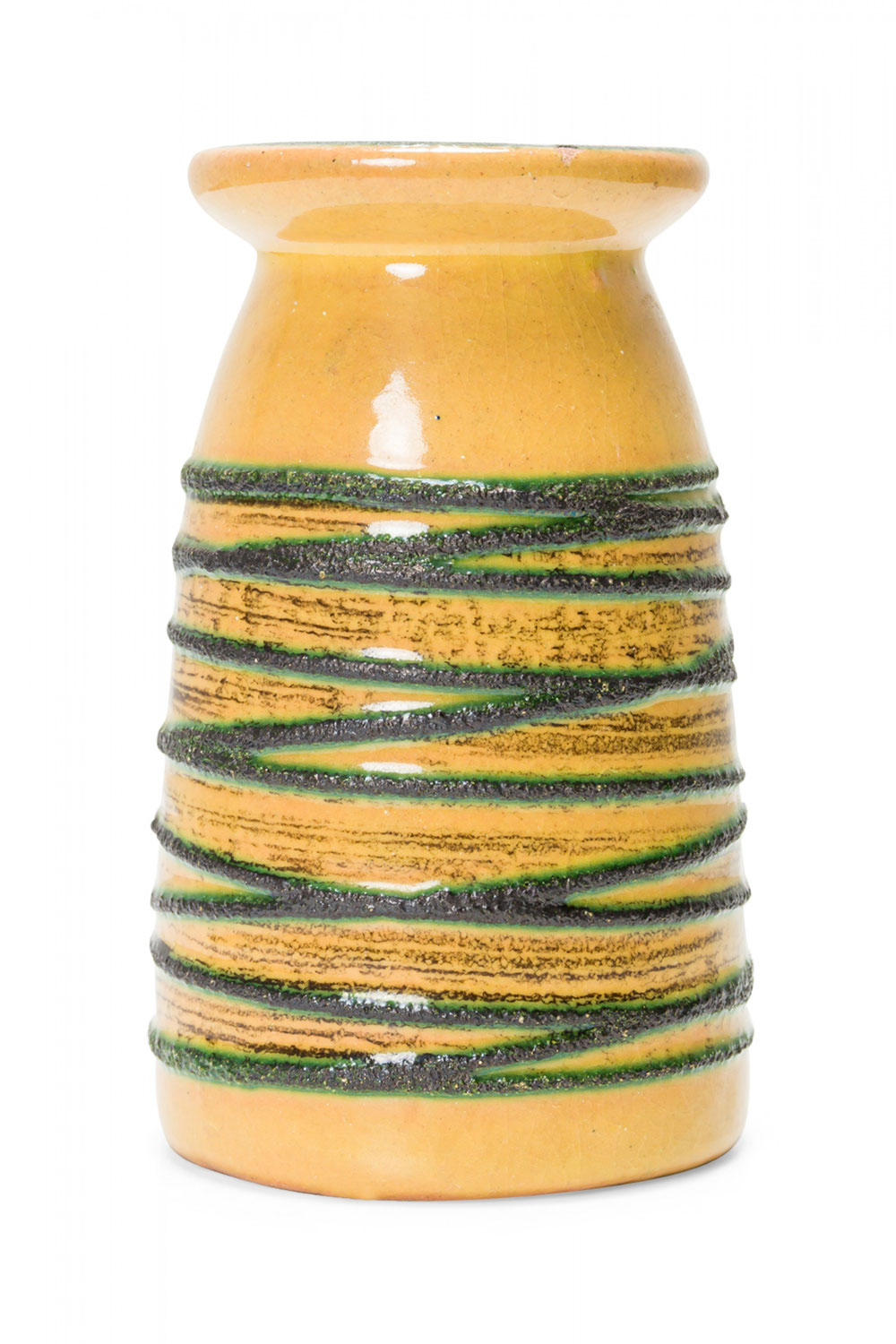
Strehla Keramik East German Mid-Century Cylindrical Raised Green Banded Yellow Glazed Ceramic Vase
$125
(USD)
QTY: 1
#063136
Width: 3"
Depth: 3"
Height: 5"

Strehla Keramik East German Mid-Century Raised Brown Floral Design Mottled Brown Glazed Ceramic Vase
$450
(USD)
QTY: 1
#063135
Width: 5"
Depth: 5"
Height: 8.5"
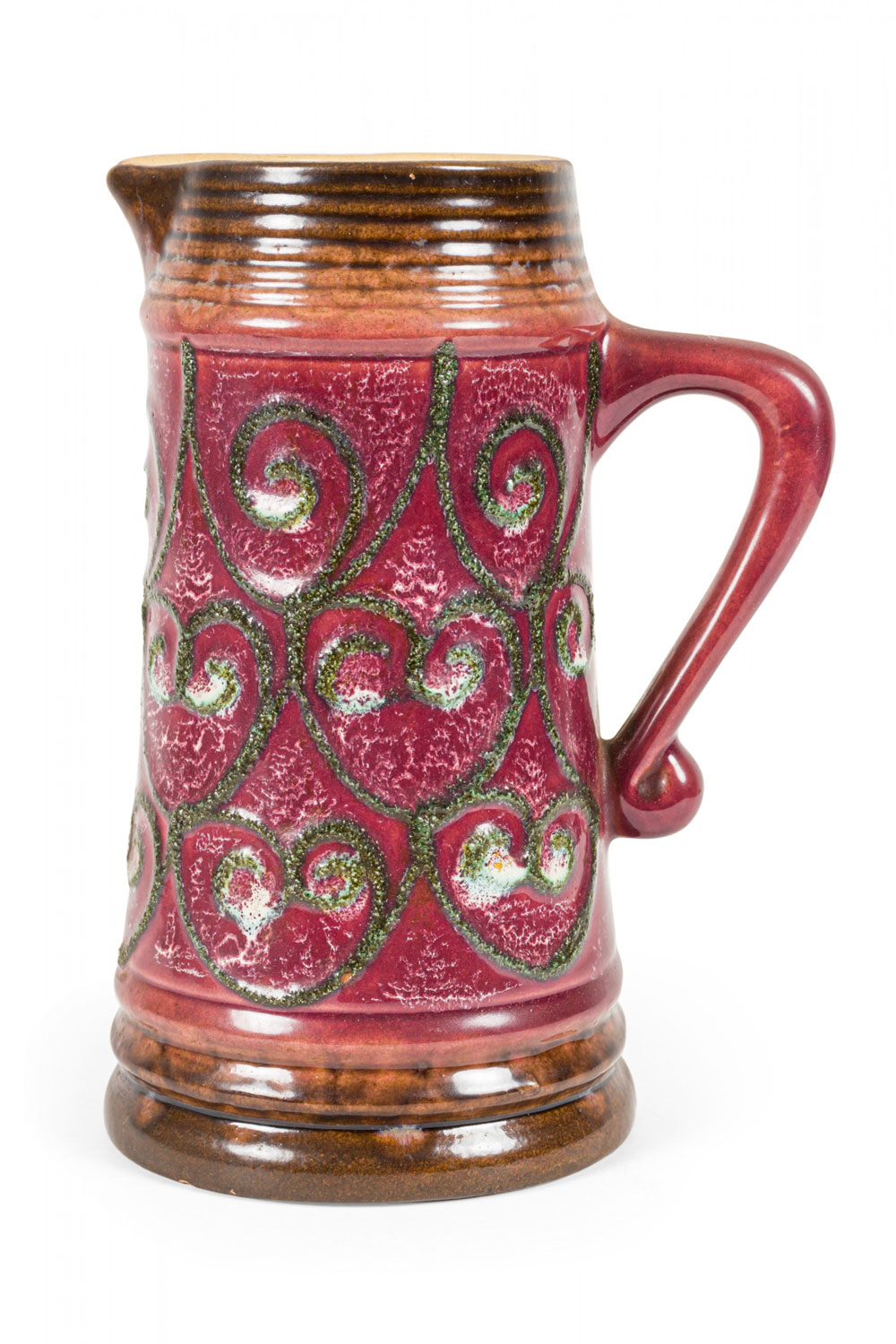
Strehla Keramik East German Mid-Century Green Raised Spiral Design Burgundy Glazed Ceramic Pitcher
$410
(USD)
QTY: 1
#063134
Width: 6"
Depth: 4.5"
Height: 8"
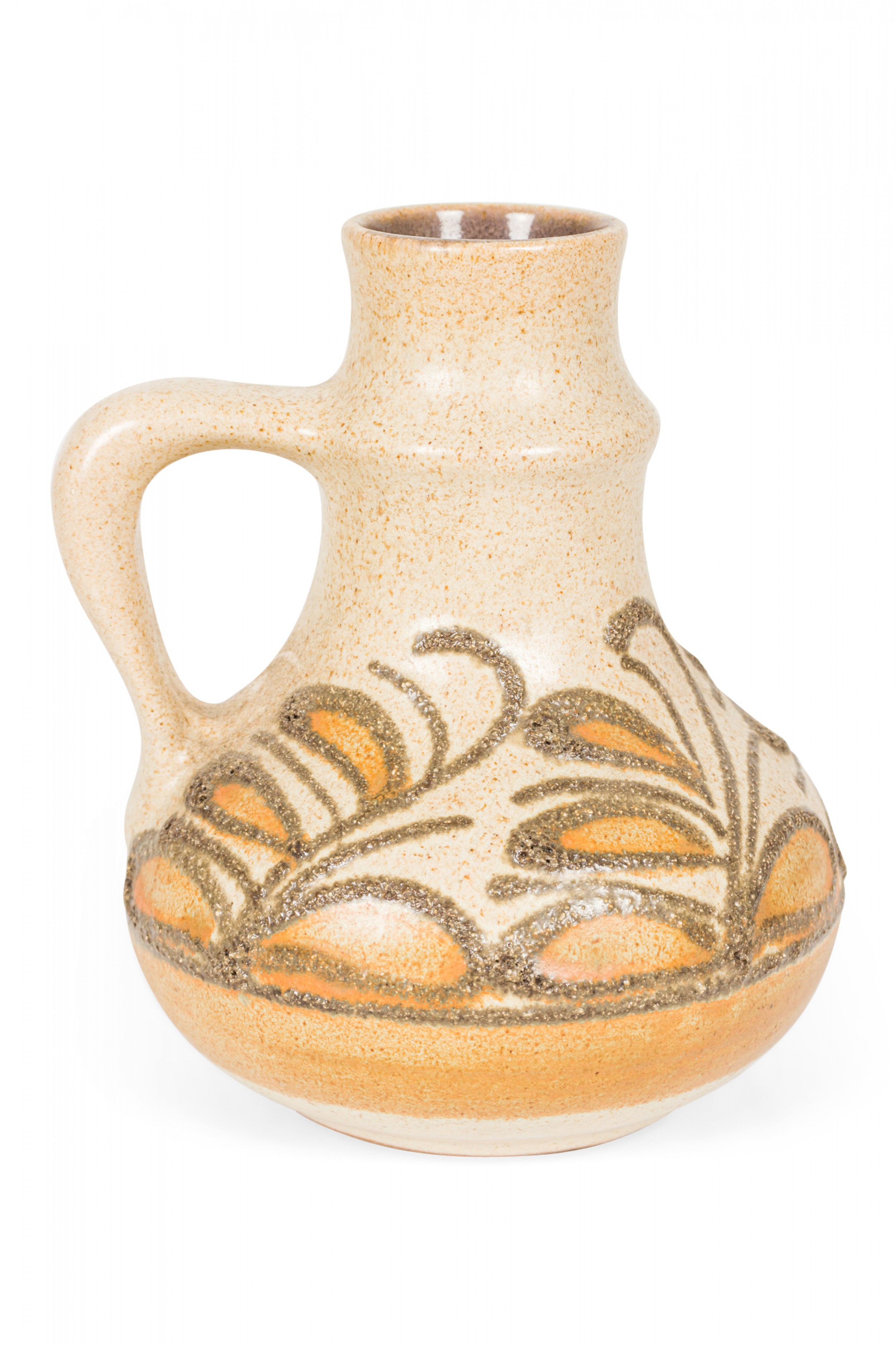
Strehla Keramik East German Mid-Century Beige and Brown Leaf Patterned Ceramic Jug
$110
(USD)
QTY: 1
#063130
Width: 4.5"
Depth: 4"
Height: 5"

Strehla Keramik East German Mid-Century Green and Beige Floral Burgundy Glazed Ceramic Pitcher
$410
(USD)
QTY: 1
#063131
Width: 5.75"
Depth: 4.5"
Height: 8"

Strehla Keramik East German Mid-Century Banded Circle Design Brown and Beige Ceramic Pitcher
$125
(USD)
QTY: 1
#063128
Width: 5.5"
Depth: 4.5"
Height: 5"

Strehla Keramik East German Gold, Silver and Copper Metallic Square Design Brown Glazed Ceramic Vase
$95
(USD)
QTY: 1
#063126
Width: 3"
Depth: 3"
Height: 5.75"
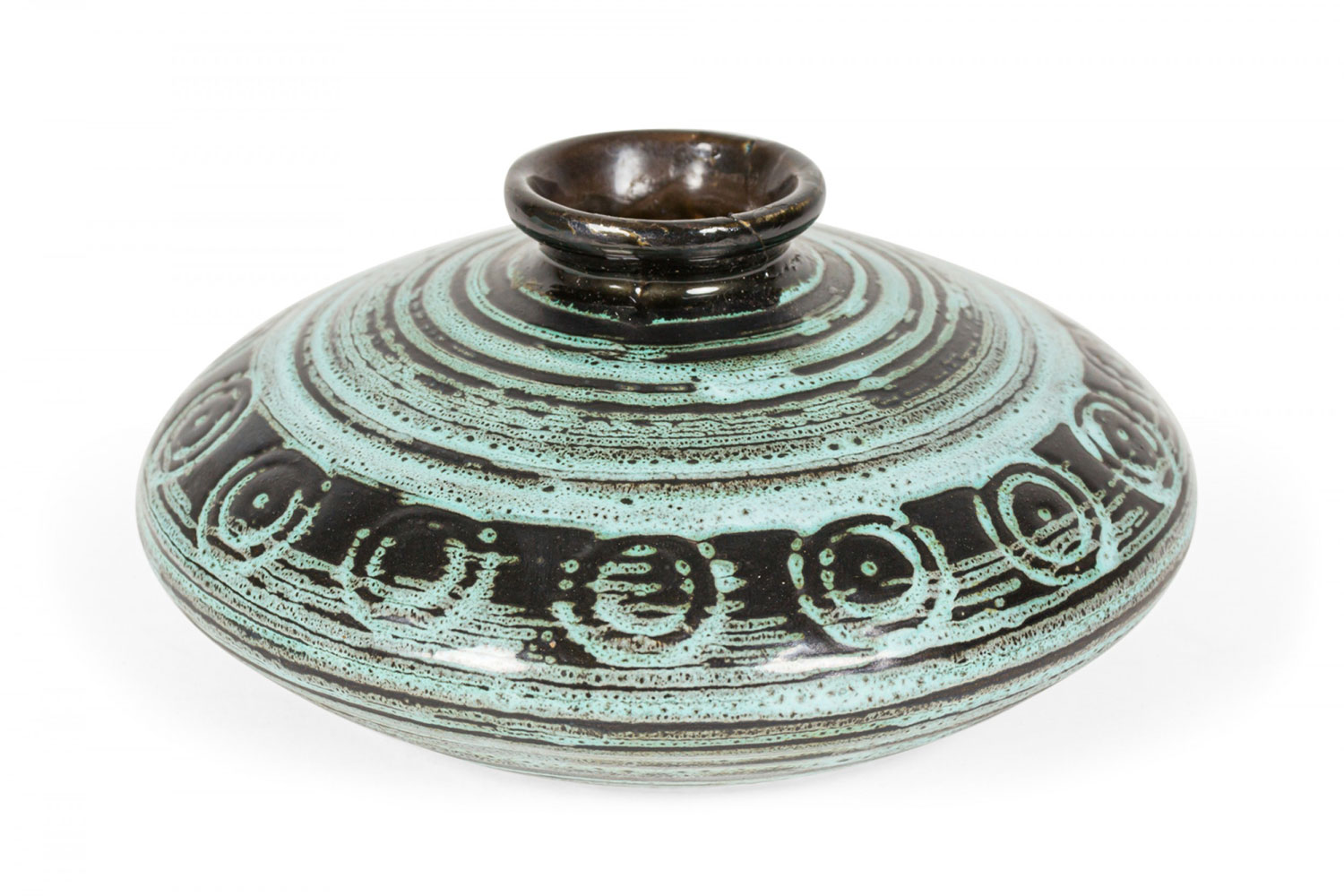
Strehla Keramik East German Mid-Century Light Blue Horizontal Patterned Black Ceramic Low Vessel
$75
(USD)
QTY: 1
#063125
Width: 5"
Depth: 5"
Height: 2.5"

Strehla East German Mid-Century Light Blue Stripe and Circle Pattern Black Ceramic Pitcher
$210
(USD)
QTY: 1
#063124
Width: 5.5"
Depth: 5"
Height: 7"

Strehla Keramik East German Mid-Century Green Spiral Pattern and Burgundy Glazed Footed Ceramic Vase
$125
(USD)
QTY: 1
#063121
Width: 3.25"
Depth: 3.25"
Height: 5.5"

Strehla Keramik East German Mid-Century Raised Green Design Burgundy Glazed Square Ceramic Vase
$275
(USD)
QTY: 1
#063119
Width: 2.75"
Depth: 2.75"
Height: 7"
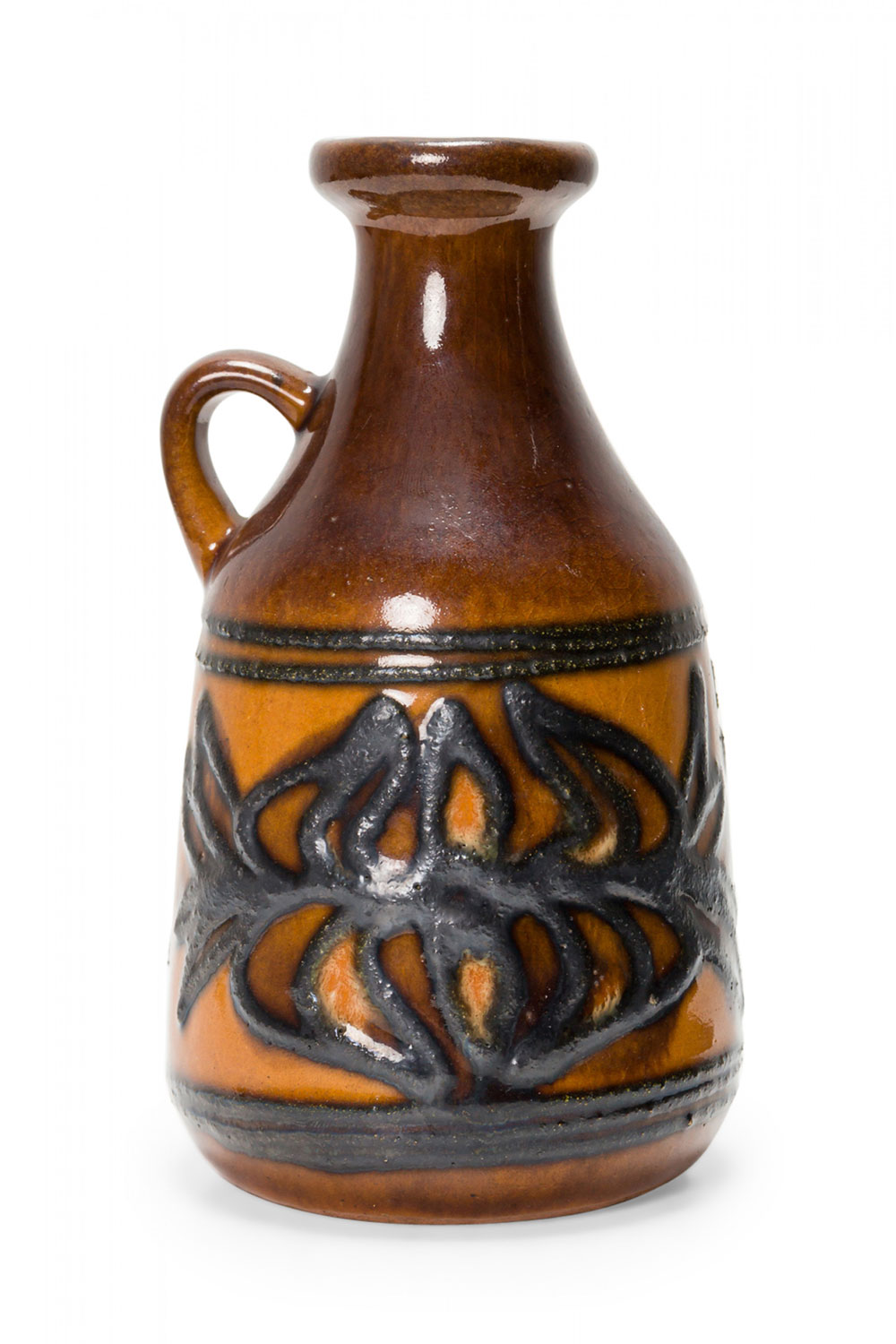
Strehla Keramik East German Brown and Beige Patterned Band Ceramic Jug
$210
(USD)
QTY: 1
#063118
Width: 3.5"
Depth: 3.25"
Height: 6.25"
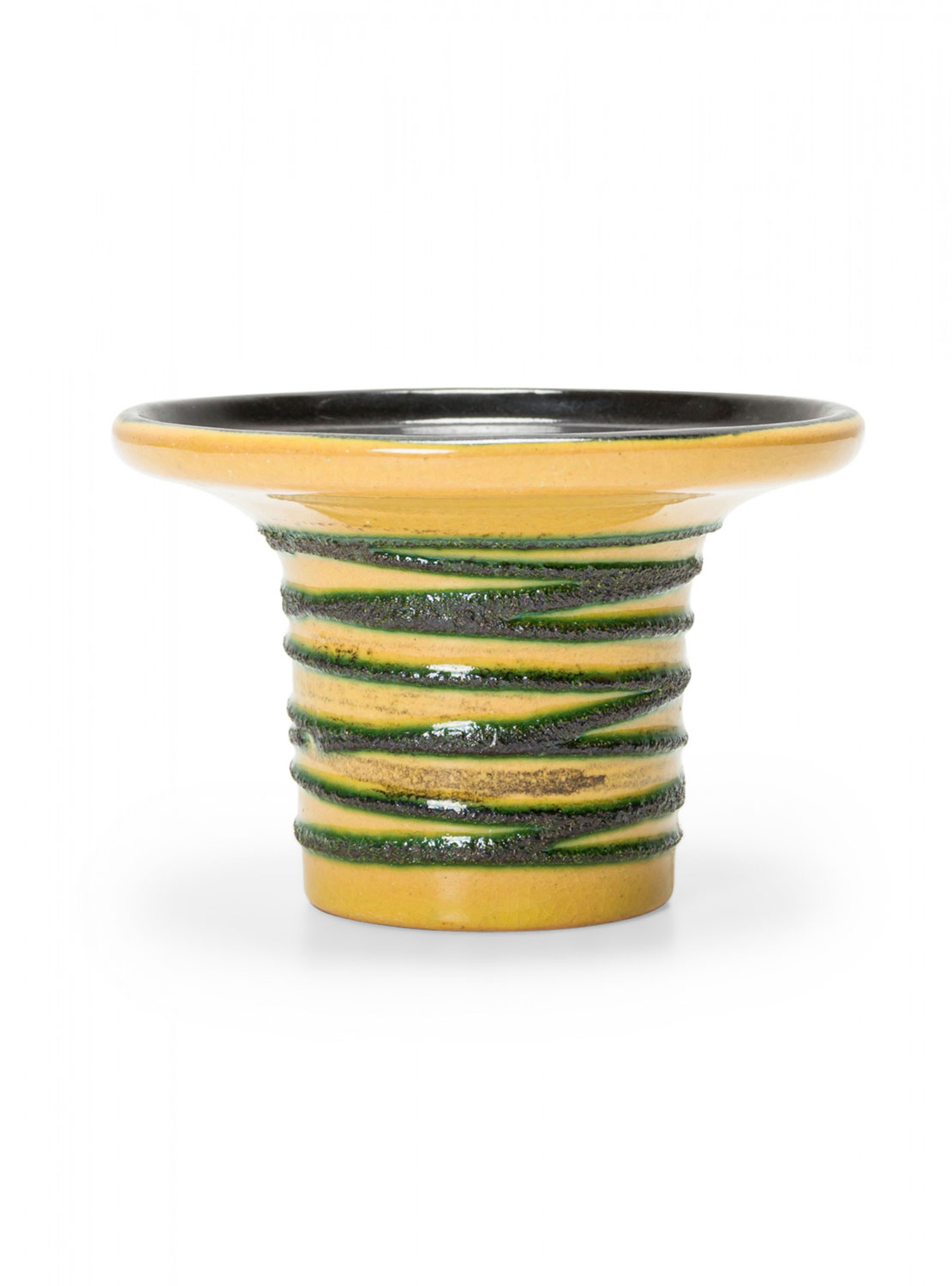
Strehla Keramik East German Mid-Century Wide-Mouthed Yellow, Green, and Black Glazed Ceramic Vase
$125
(USD)
QTY: 1
#063117
Width: 4.75"
Depth: 4.75"
Height: 3"

Strehla East German Mid-Century White Red and Black Glazed Banded Central Design Ceramic Vase
$425
(USD)
QTY: 1
#063110
Width: 4"
Depth: 4"
Height: 8"

Strehla East German Mid-Century Raised Black Zig-Zag Patterned Brown Glazed Footed Ceramic Vase
$425
(USD)
QTY: 1
#063112
Width: 5"
Depth: 5"
Height: 9"
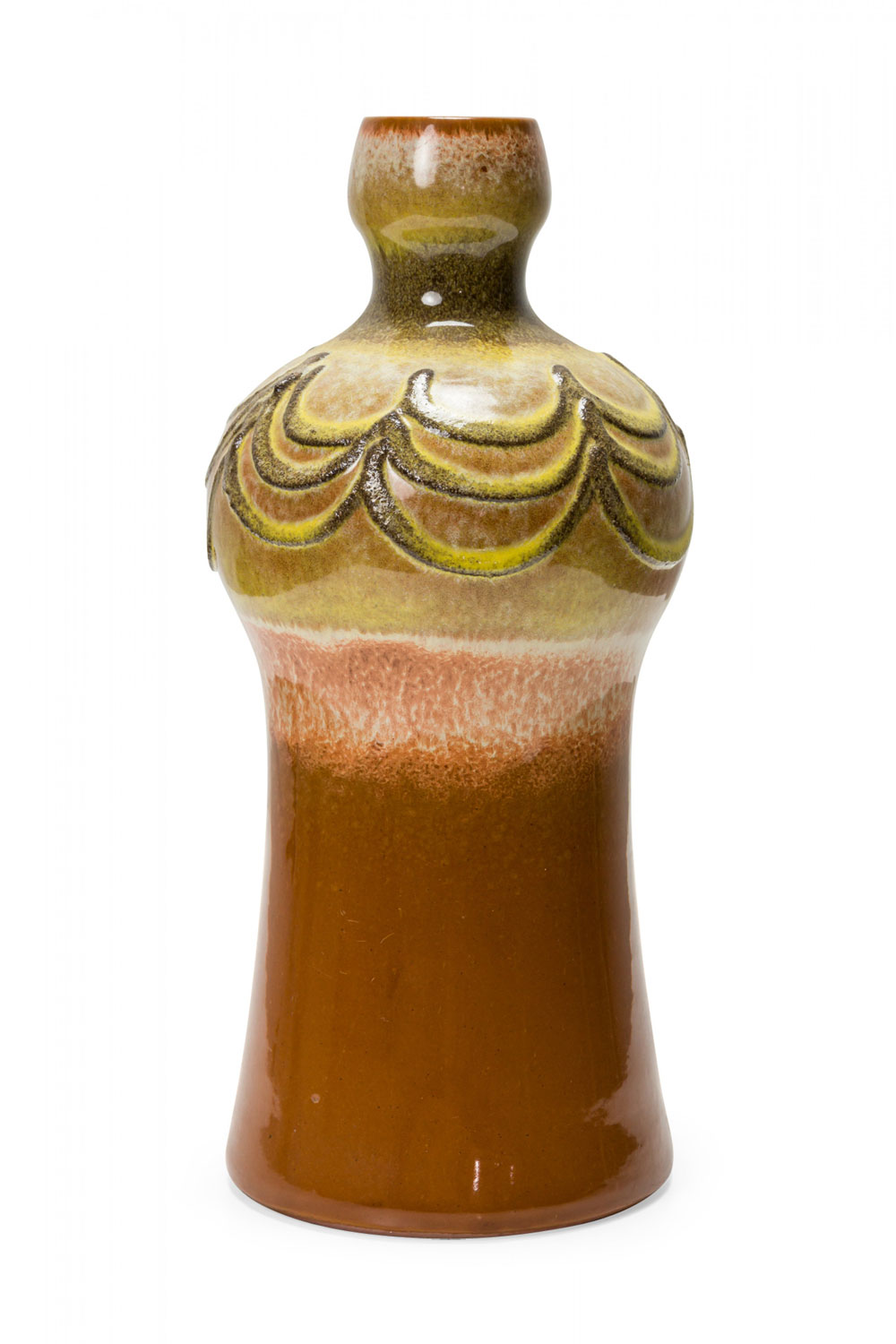
Strehla Keramik East German Mid-Century Raised Scallop Pattern Multi-Tonal Brown Glazed Ceramic Vase
$625
(USD)
QTY: 1
#063072
Width: 5.25"
Depth: 5.25"
Height: 11.5"

Strehla East German Mid-Century Speckled Brown and Red Glazed Ceramic Jug
$350
(USD)
QTY: 1
#063064
Width: 4"
Depth: 3.5"
Height: 5"
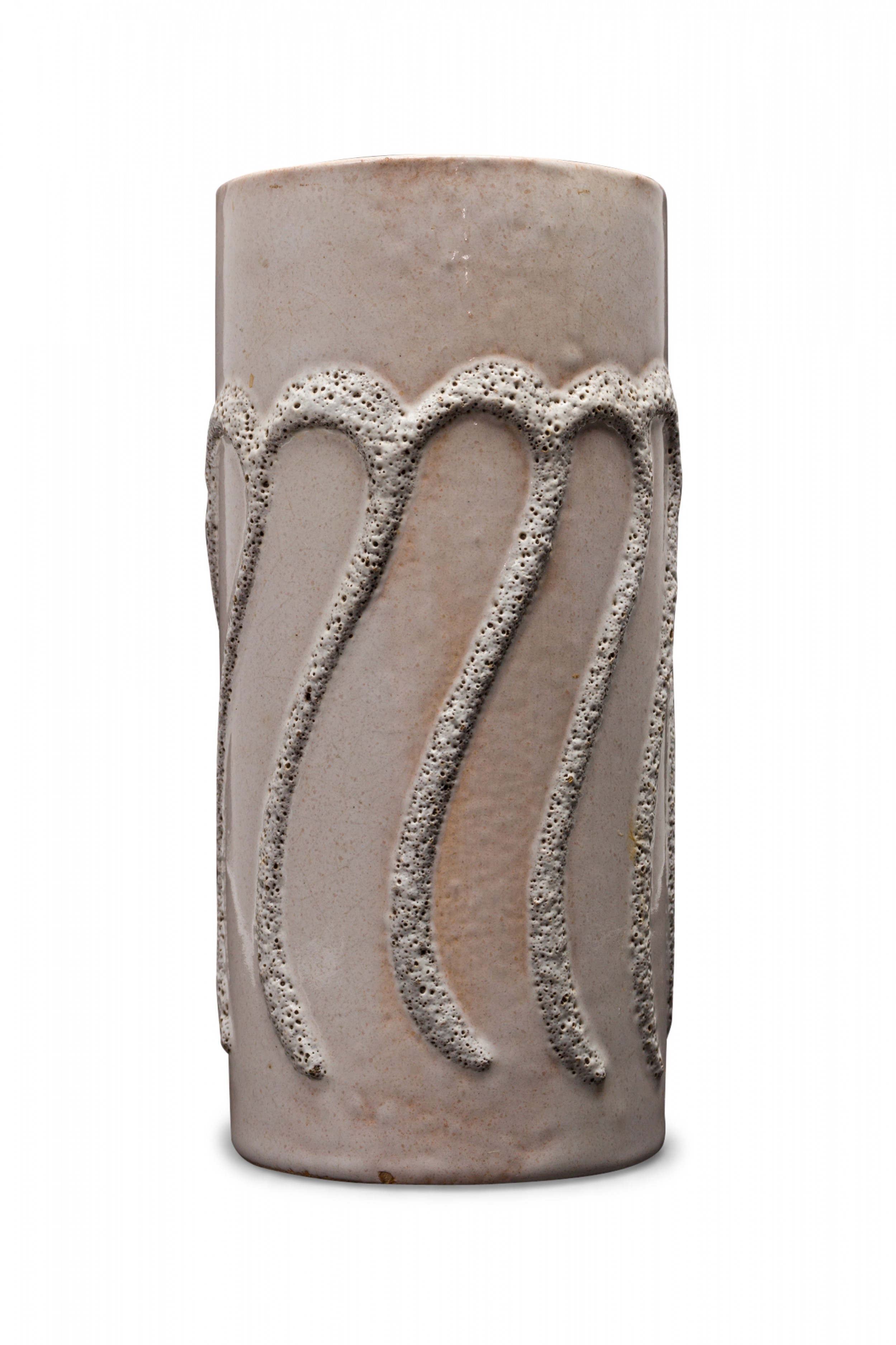
Strehla Keramik East German Mid-Century Raised Pitted Wave Design Beige Glazed Ceramic Vase
$150
(USD)
QTY: 1
#063051
Width: 2.75"
Depth: 2.75"
Height: 6"

Strehla Keramik East German Raised Sunburst Pattern Blue Glazed Ceramic Vase
$325
(USD)
QTY: 1
#063048
Width: 2.5"
Depth: 2.5"
Height: 7.5"

Strehla Keramik East German Mid-Century Raised Heart Design Blue and Green Glazed Ceramic Pot
$150
(USD)
QTY: 1
#063043
Width: 5"
Depth: 5"
Height: 3"

Strehla Keramik East German Mid-Century Deep Blue Raised Banded Pattern Glazed Ceramic Vase
$650
(USD)
QTY: 1
#063038
Width: 4"
Depth: 4"
Height: 11.25"

Strehla Keramik East German Mid-Century Raised Floral Design Blue and Gray Ceramic Pitcher
$210
(USD)
QTY: 1
#063036
Width: 5"
Depth: 4.5"
Height: 6.5"

Strehla Keramik East German Mid-Century Light Blue Speckle Glazed Ceramic Bud Vase
$280
(USD)
QTY: 1
#063033
Width: 3.5"
Depth: 3.5"
Height: 4.5"

Strehla Keramik East German Raised Green and Blue Floral Pattern and Beige Glazed Ceramic Vase
$325
(USD)
QTY: 1
#063029
Width: 5"
Depth: 5"
Height: 5.75"

Strehla Keramik East German Raised Blue and Green Clover Pattern Ceramic Vase
$450
(USD)
QTY: 1
#063022
Width: 4.5"
Depth: 3.75"
Height: 6.25"

Strehla Keramik East German Mid-Century Textured Brown Green and Beige Glazed Ceramic Jug
$280
(USD)
QTY: 1
#063015
Width: 3.5"
Depth: 3.5"
Height: 6.75"
Strehla Keramik East German Mid-Century Speckled Blue Glazed Ceramic Bottle Vase
$880
(USD)
QTY: 1
#063013
Width: 5"
Depth: 5"
Height: 11.5"

Strehla Keramik East German Leaf and Vine Design on White Glaze Ceramic Vase
$280
(USD)
QTY: 1
#063016
Width: 4"
Depth: 4"
Height: 4.25"

Strehla Keramik East German Mid-Century Speckled White Ceramic Jug
$125
(USD)
QTY: 1
#063009
Width: 4.5"
Depth: 4.5"
Height: 6"